MOVE4D—the high-speed 4D body scanning solution from the Instituto de Biomecánica (IBV)—is enabling new research workflows that bridge biomechanics, ergonomics, and cultural heritage.
In a project led by Nuela Chidubem Andi, a student in Industrial Engineering at Purdue University, MOVE4D is being used to study the kinesiology and biomechanics of African dance and to build a digital library of indigenous dance movements for long-term preservation and more accessible learning.
About the client
Nuela is an international student from Nigeria and a PhD researcher. She is deeply committed to documenting and preserving dance movements connected to her heritage.
Goals:
1) Build a precise, accessible archive of indigenous dance
Traditional dance transmission is powerful—but it can also be fragile when learning depends on informal interpretation, limited access to teachers, or recordings that don’t capture movement detail.
The project’s primary goal is to create a dance motion capture database that preserves movement with enough fidelity to support learning, analysis, and future reinterpretation—without losing nuance over time.
2) Enable objective dance movement quantification for research and education
Beyond preservation, Nuela’s approach aligns with a growing research direction: dance movement quantification—turning complex motion into measurable, reproducible data that can be used for training, comparison, and modeling.
This connects directly with emerging concepts such as intelligent dance notation, where motion is recorded visually and quantitatively using digital human representations.
3) Create a platform for “cultural ergonomics”
By treating dance as both cultural expression and human movement, the project opens the door to “cultural ergonomics”: studying how real bodies move in culturally specific ways—and ensuring tools, education, and digital experiences remain inclusive of diverse movement vocabularies.
Why MOVE4D? Solution in the workflow
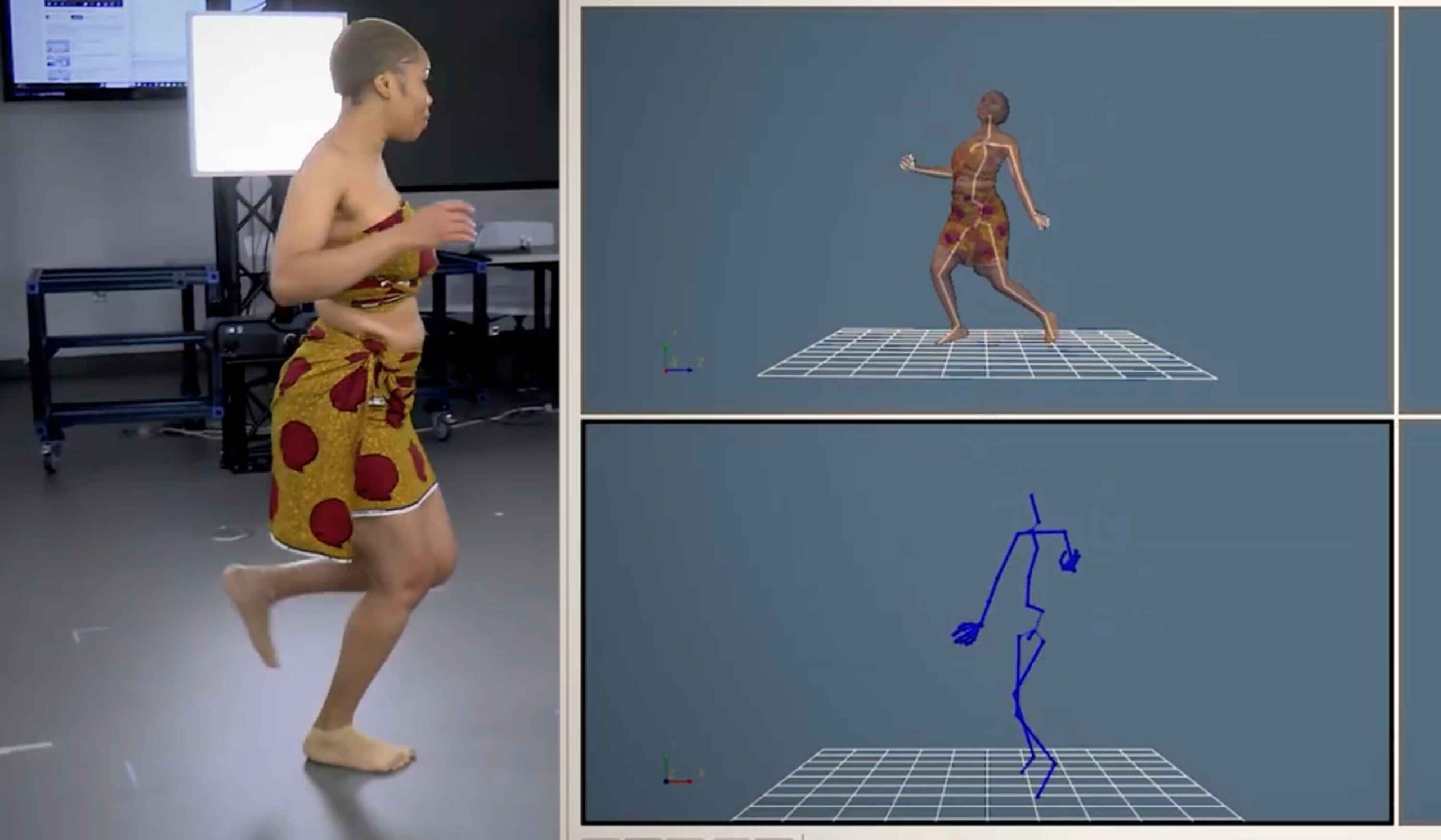
Most motion analysis tools capture movement without the complete surface shape (e.g., skeletal tracking).
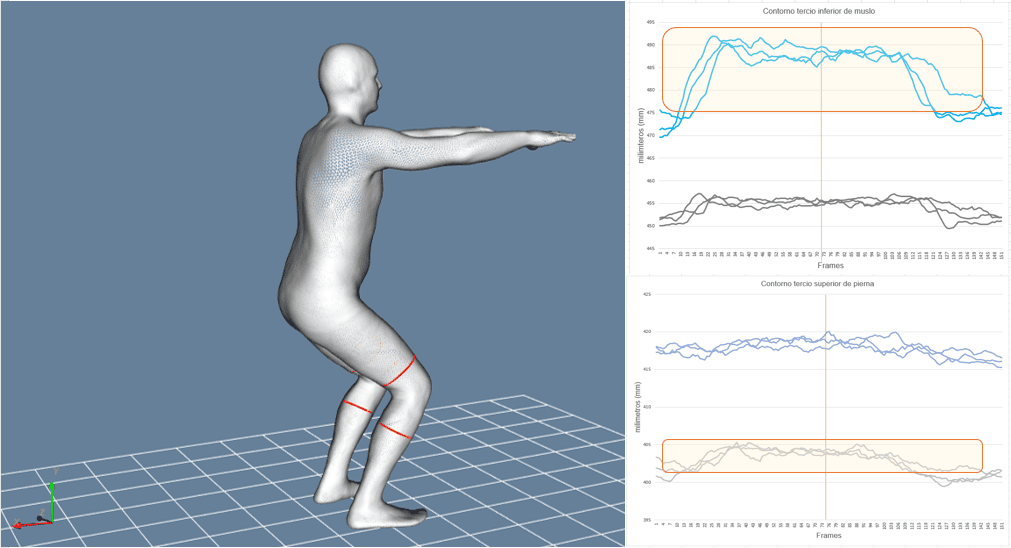
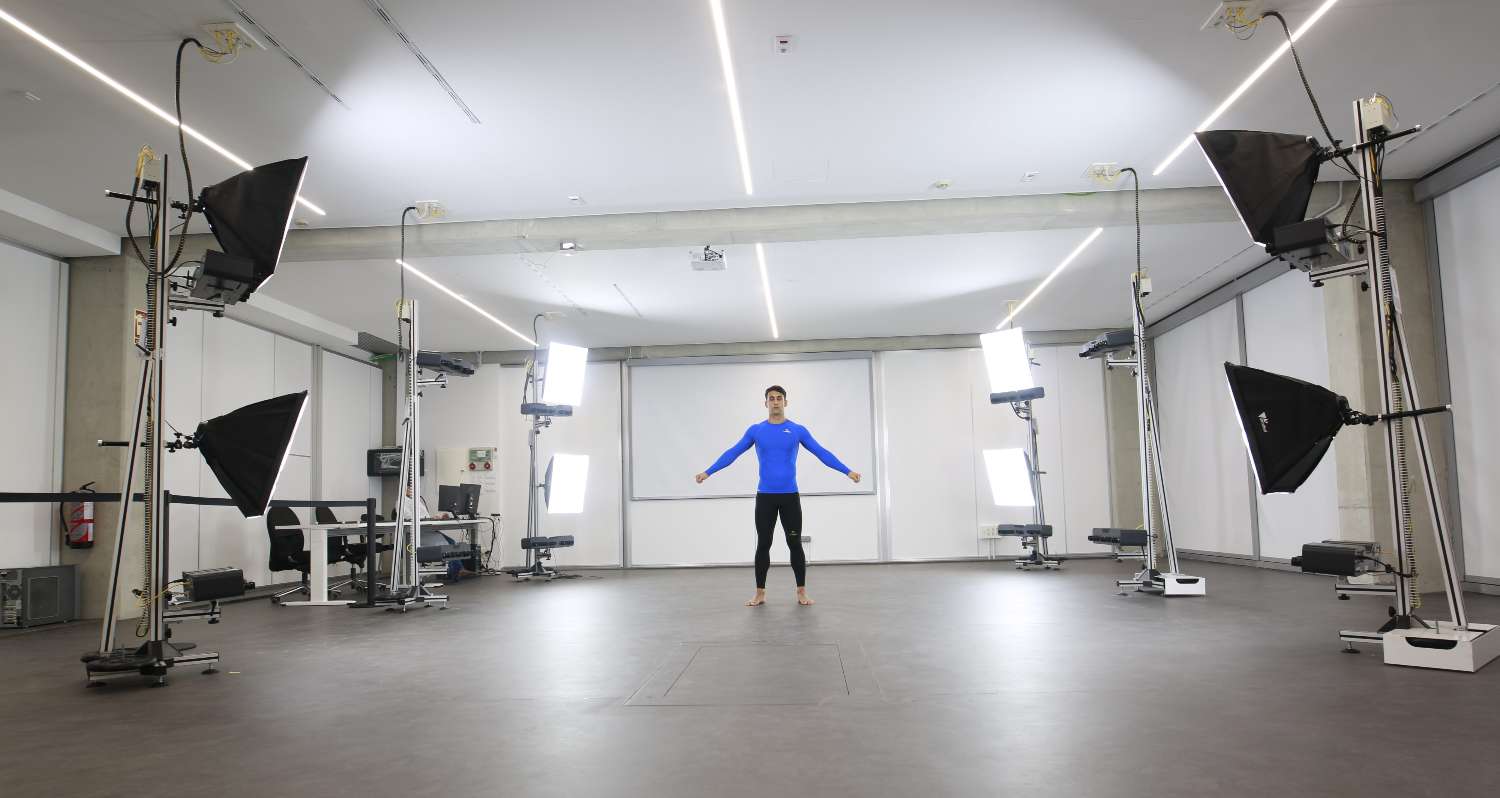
MOVE4D is designed to capture real human shape and motion simultaneously by generating a time sequence of meshes 4D, with automated processing for watertight, homologous digital human models.
This technology is also positioned as a high-speed system, supporting fast, detailed capture of dynamic movement.
How this connects to “intelligent dance notation”
MOVE4D’s ability to produce dynamic digital humans supports that direction by offering high-fidelity input data suitable for building intelligent dance notation pipelines.
Learn more about success stories: MOVE4D and Li-Ning drive innovation in sportswear design with a new 4D body scanning lab in China
Results and impact
A more efficient way to build a dance motion capture database
In the video, Nuela highlights MOVE4D as a key enabler for creating a comprehensive digital library of indigenous dance movements in a way that is more efficient and more precise than conventional documentation.
MOVE4D’s design supports outcomes that typically matter most in dance preservation and motion research:
- Higher motion fidelity: Capturing full-body surface in motion helps preserve details that are often lost in standard video or purely skeletal tracking.
- Consistency for comparison: Homologous mesh sequences make it easier to compare “the same” body regions across time and across dancers—useful for dance movement quantification.
- Accessibility and learning: A structured library can support learners who don’t have local access to instructors, helping preserve movement knowledge across distance and generations.
Why this matters for cultural sustainability
This work demonstrates a practical model for cultural preservation: pairing heritage knowledge with leading biomechanics tools so communities can maintain ownership of how movements are recorded, learned, and shared—without reducing dance to a “flat” recording.
Would you like to learn more about how a dance motion capture database can be created using markerless 4D body scanning?
Get in touch with our team—we’ll be happy to advise you, answer your questions, and explore how 4D body scanning can support your project, from biomechanics of dance to extended reality (XR) learning environments.